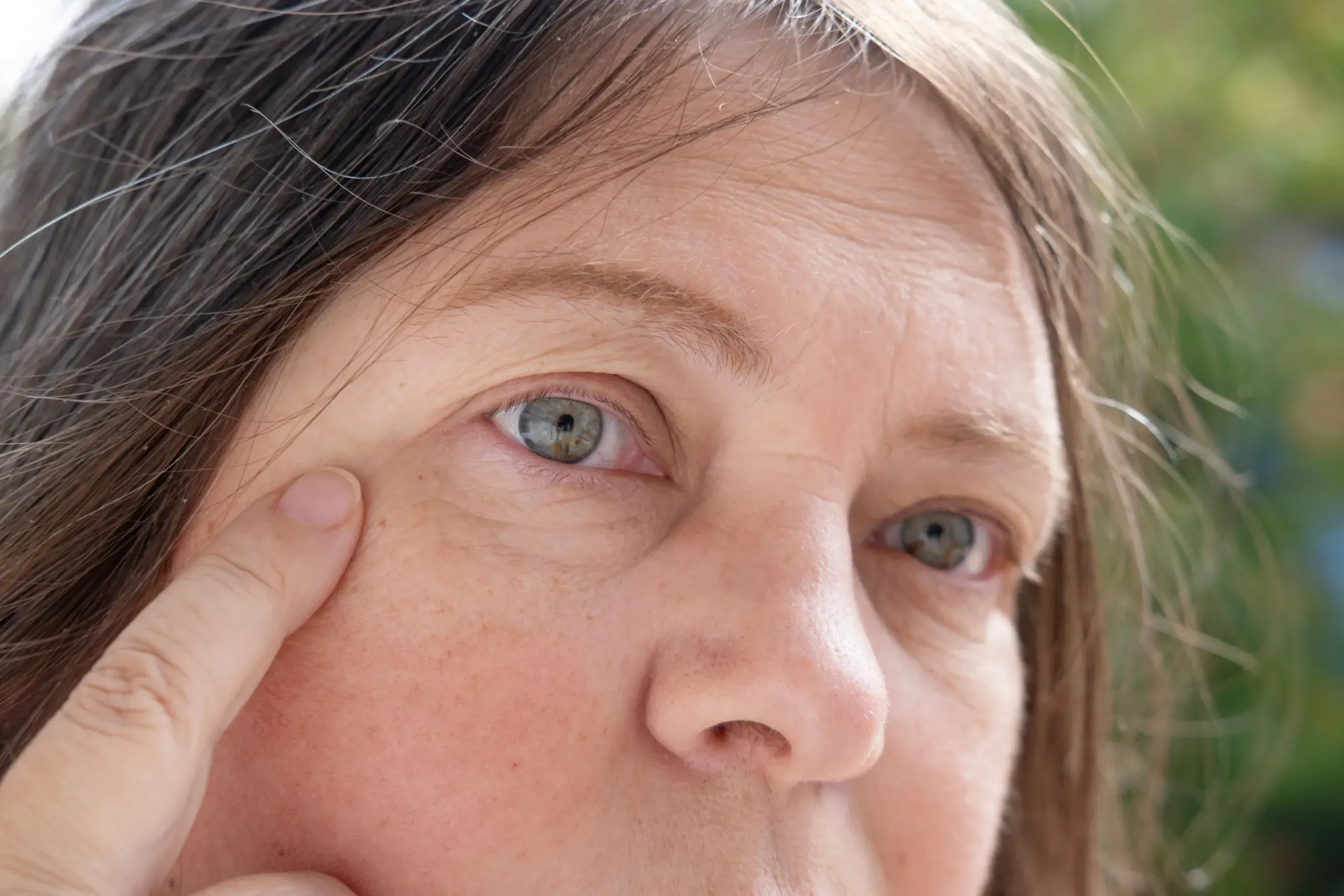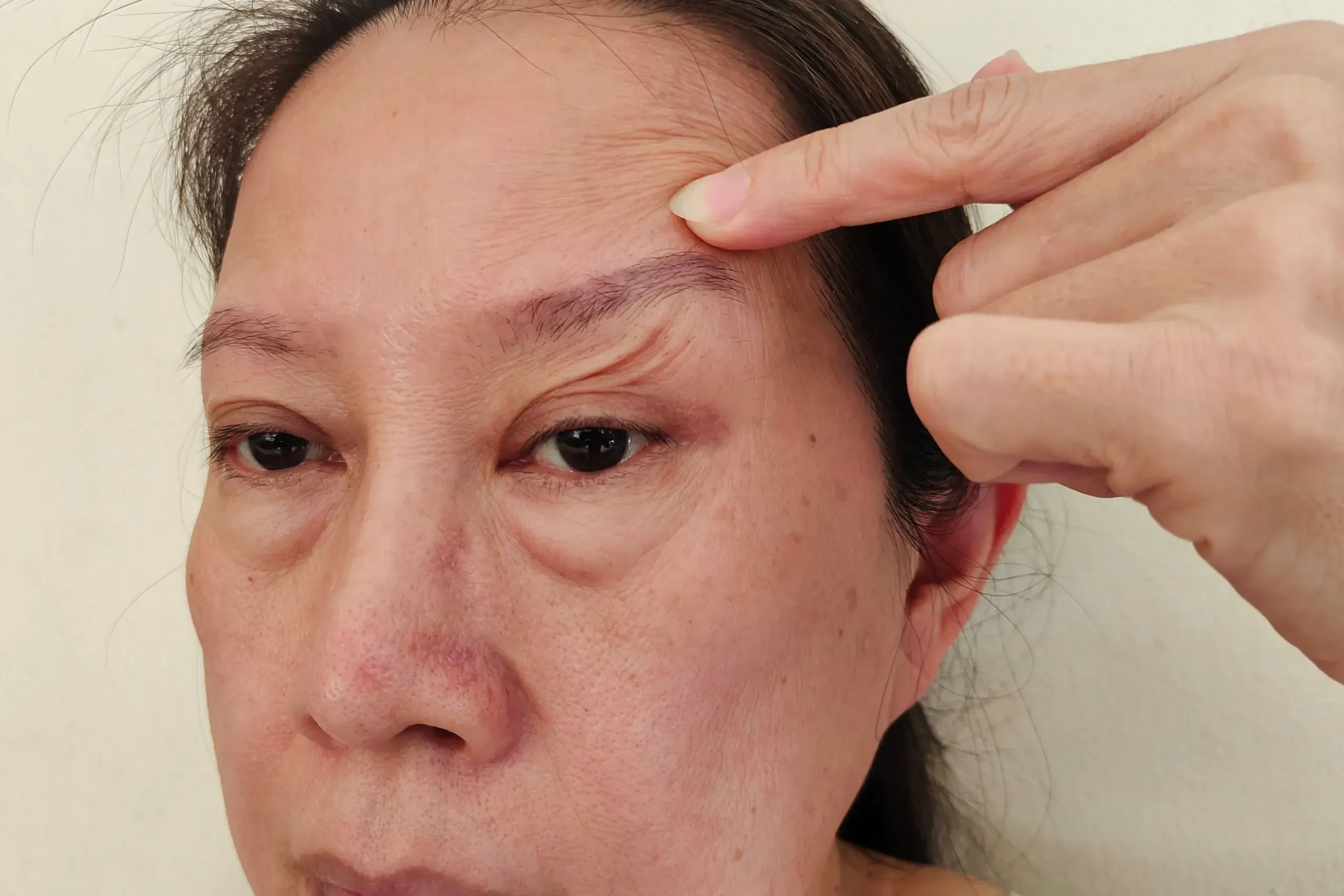

Firm, resilient skin depends on a dense network of collagen and elastin produced by dermal fibroblasts. Beginning around age 25, collagen production declines by roughly 1% per year, and this loss accelerates after menopause, leading to measurable reductions in skin thickness and elasticity over time. The American Academy of Dermatology identifies collagen decline and cumulative sun exposure as leading contributors to visible skin aging.
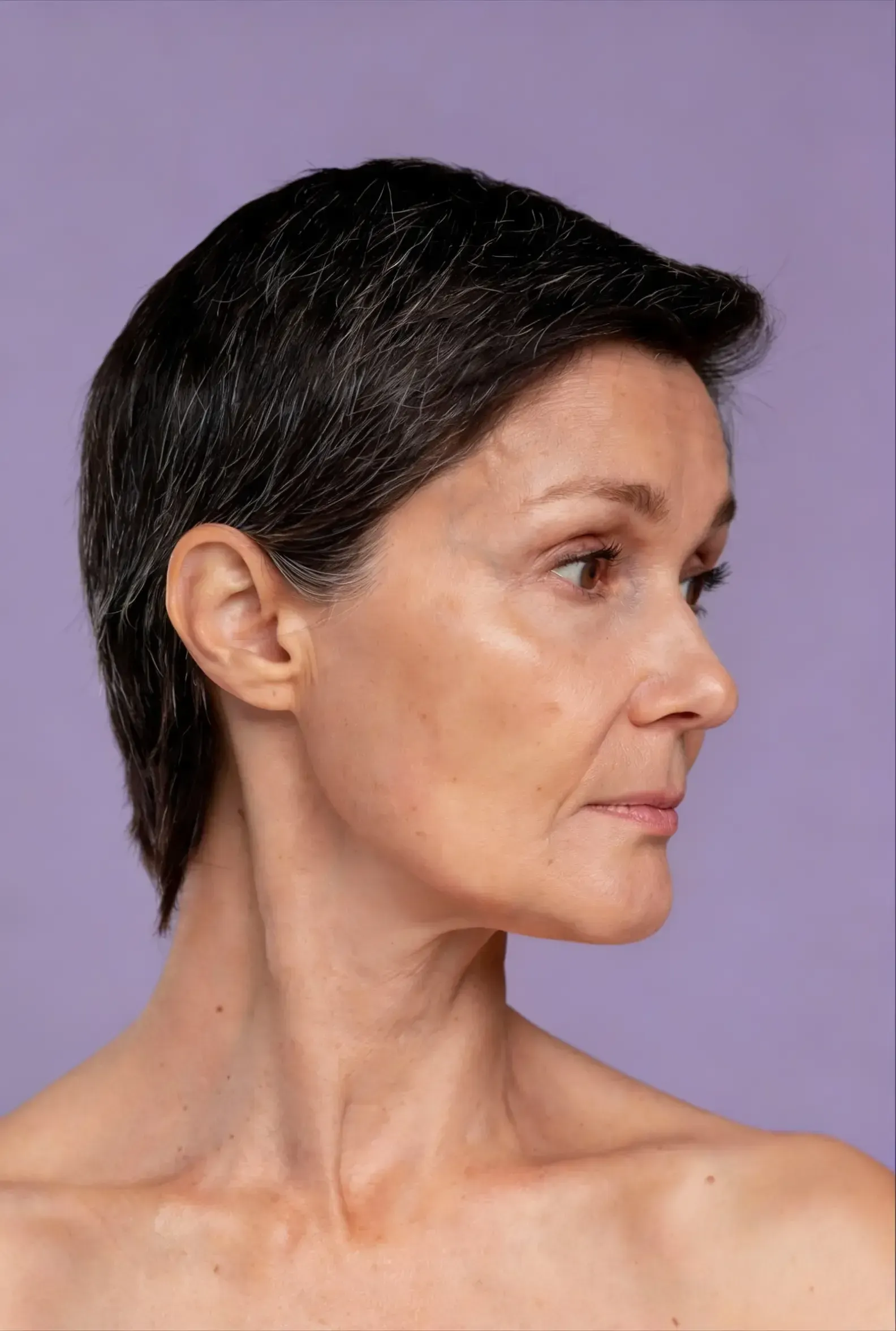
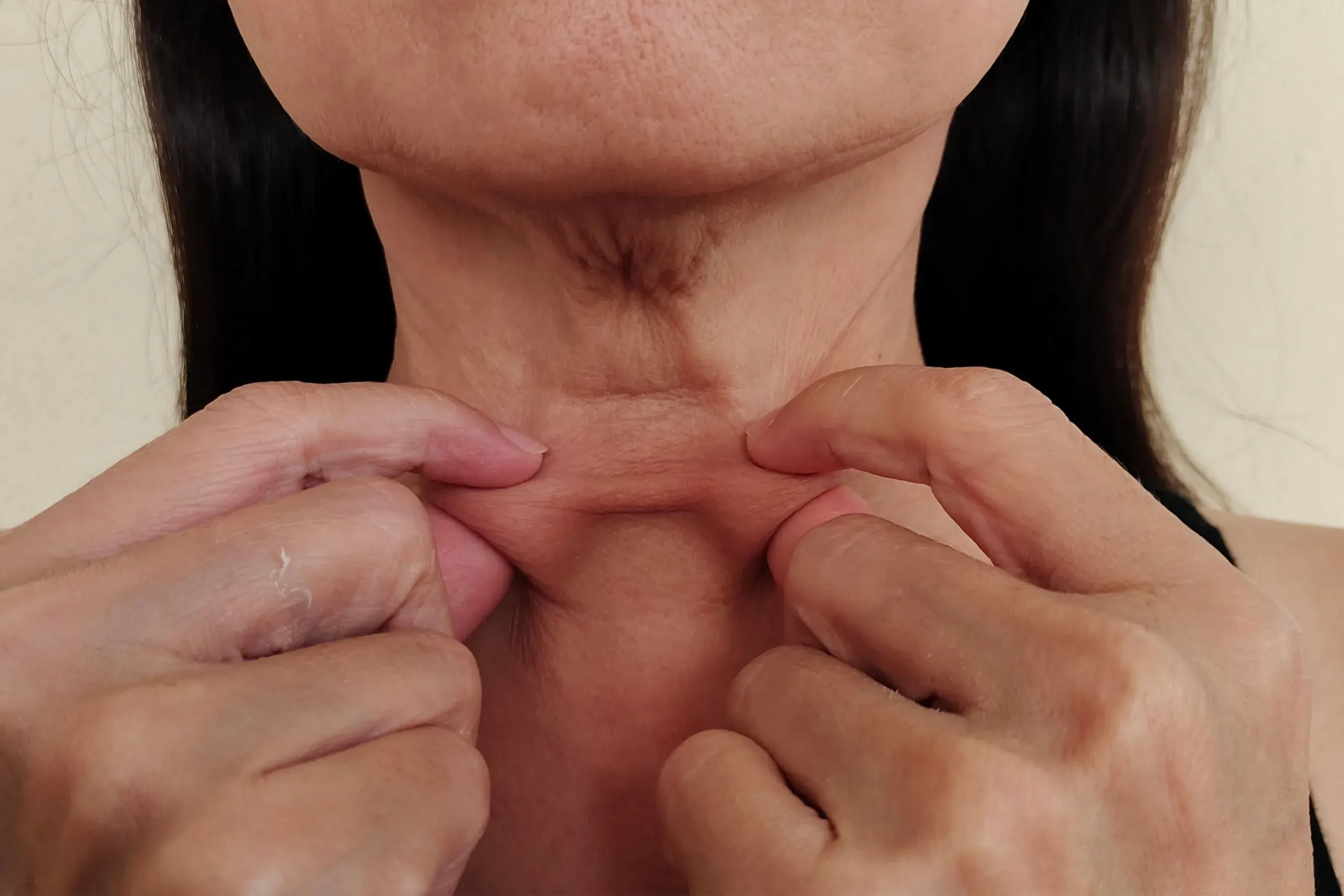
As these structural proteins break down, the dermal scaffold can no longer hold soft tissue in place against gravity. The result is the hallmark cascade patients describe: jowl formation, a less defined neck, hollowing in the mid-face, and loosened skin across the arms, abdomen, and thighs. Radiofrequency and ultrasound-based devices such as Exion Face and Body are designed to stimulate new collagen and tighten this scaffold without surgery.
Barrier function and lipid production also decline with age, which compounds the appearance of laxity by reducing the plumpness and smooth reflectivity of the skin surface.