


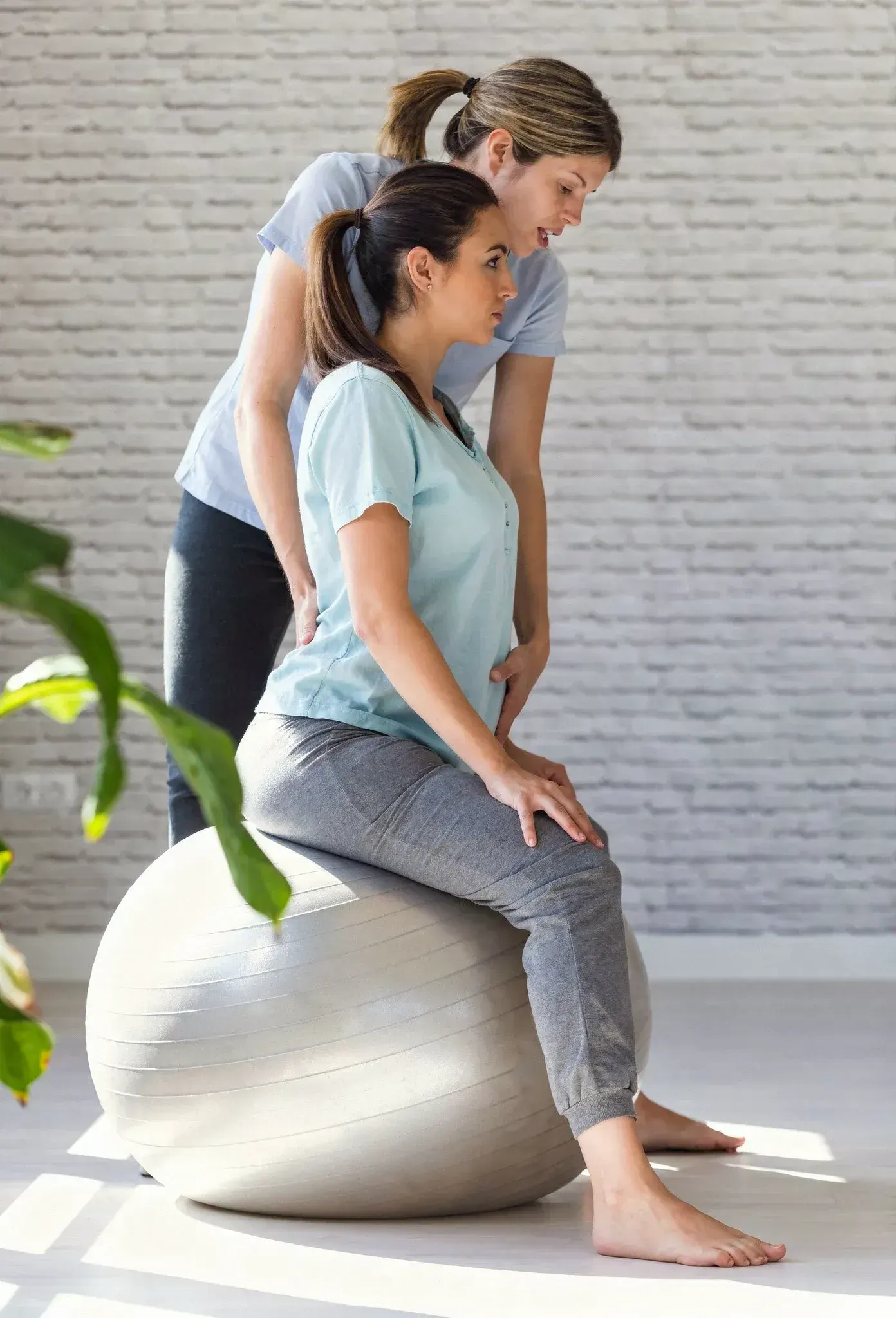
New mother beginning postpartum recovery at Hartley Health and Wellness Canton GA

Postpartum Recovery in Canton, GA

Rebuild Core and Pelvic Strength After Birth

Common In:Women After Childbirth
Primary Causes:Delivery, Hormones, Core Strain
Treatment Time:28-30 minutes
Results:Gradual over 6-12 weeks
Educational visual of postpartum core and pelvic anatomy at Hartley Health and Wellness

What Is Postpartum Recovery in Canton, GA?

Recognizing the Signs

Postpartum recovery refers to the physiological restoration of the abdominal wall, pelvic floor musculature, and connective tissue after pregnancy and childbirth. It encompasses the gradual return of core strength, pelvic floor integrity, and hormonal balance during the weeks and months following delivery.

When you notice persistent abdominal separation, leakage with sneezing or laughing, or a sense of heaviness in the pelvic region, you are observing the effects of the physical changes your body underwent during pregnancy and birth. These changes are common, well documented, and respond to targeted treatment.

Many new mothers in Canton describe feeling disconnected from their core, uncertain about resuming exercise, or frustrated by symptoms that daily kegels alone have not resolved. You are not alone, and a structured recovery approach can restore both function and confidence.

Illustration of postpartum abdominal and pelvic floor recovery at Hartley Health and Wellness Canton

Why Postpartum Recovery Takes Time

Understanding the Root Causes

During pregnancy, the linea alba stretches to accommodate the growing uterus, the pelvic floor supports up to 40 pounds of additional load, and the hormone relaxin softens connective tissue for delivery. After birth, these tissues do not automatically return to their prior state, and research from the American Urogynecologic Society confirms that targeted rehabilitation is often needed to restore baseline strength.

Vaginal delivery can stretch pelvic floor muscles beyond their elastic capacity, while cesarean section disrupts fascia and abdominal wall integrity. Either pathway leaves the core and pelvic floor in a weakened state. Without progressive retraining, many women compensate with other muscle groups, leading to persistent symptoms months or even years later.

Hormonal shifts, particularly the sustained drop in estrogen during breastfeeding, further reduce tissue resilience. Combined with sleep deprivation and the physical demands of newborn care, the natural recovery window is often insufficient, which is why structured programs like our Core and Floor program can meaningfully accelerate return to function.

Anatomical explanation of diastasis recti and pelvic floor recovery at Hartley Health and Wellness

Diastasis Recti and Pelvic Floor Dysfunction

How Pregnancy Affects Core Integrity

Diastasis recti, the separation of the rectus abdominis muscles along the linea alba, affects roughly 60 percent of women immediately postpartum and persists in about one third at six months. The gap itself is not inherently harmful, but unaddressed separation often correlates with reduced core stability, lower back pain, and a visible abdominal bulge that traditional crunches can worsen.

Pelvic floor dysfunction frequently accompanies diastasis recti because the two systems work together as a pressure management unit. When one is compromised, the other often overcompensates, producing symptoms such as stress urinary incontinence, pelvic organ prolapse, or painful intercourse. Electromagnetic stimulation technologies such as Emsella Pelvic Floor Therapy induce thousands of supramaximal contractions per session to directly address these deficits.

Rebuilding the core also requires retraining the deep abdominal muscles that stabilize the spine. Emsculpt Neo Function engages these postural muscles through targeted HIFEM stimulation, supporting recovery that daily stretching or light cardio cannot achieve alone.

Postpartum recovery factors affecting new mothers at Hartley Health and Wellness Canton GA

What Prolongs Postpartum Recovery?

Identifying Your Triggers

01

Vaginal Delivery

The pelvic floor stretches significantly during vaginal birth, and perineal trauma or tearing can further compromise muscle tone and nerve function.

02

Cesarean Section

A C-section disrupts abdominal fascia and leaves scar tissue that can alter core mechanics long after the surgical incision heals.

03

Multiple Births

Each subsequent pregnancy places additional strain on already stretched connective tissue, often compounding core and pelvic floor weakness.

04

Prolonged Labor

Extended pushing phases can exhaust pelvic floor musculature and increase the likelihood of persistent dysfunction.

05

Larger Baby

Higher birth weights correlate with greater tissue stretch, which can extend the timeline for pelvic floor and abdominal wall recovery.

06

Hormonal Shifts

Sustained low estrogen during breastfeeding reduces collagen turnover, slowing connective tissue repair across the core and pelvic floor.

Hartley Health and Wellness clinic interior in Canton Georgia

Why Choose Hartley Health and Wellness for Postpartum Recovery Care in Canton, GA

Expert Care in Canton

  • Comprehensive assessments to support postpartum healing
  • Use of advanced technologies to aid recovery
  • Personalized treatment plans based on individual needs
  • Medically grounded care focused on safe recovery

Treatment Options Comparison

Finding Your Best Approach

Treatment Best For Session Time Results Timeline Maintenance
Emsella Pelvic Floor Therapy Pelvic floor strength and incontinence 28 minutes 2-4 weeks Quarterly top-ups
Emsculpt Neo Function Deep core and postural rebuild 30 minutes 4-8 weeks Periodic sessions
Core and Floor Combined core and pelvic recovery 30 minutes 6-12 weeks Maintenance sessions
New mother evaluating postpartum recovery options at Hartley Health and Wellness Canton

You May Benefit From Postpartum Recovery Care If...

Recognizing When to Seek Help

  • Stress incontinence after childbirth
  • Core weakness or reduced stability
  • Diastasis recti or abdominal separation
  • Pelvic heaviness or pressure
  • Pain or discomfort during intercourse
  • Ongoing abdominal separation or weakness

Frequently Asked Questions

About Postpartum Recovery

01 When can I start postpartum treatments?

Most patients begin non-invasive recovery treatments 6-8 weeks after delivery, once their OB has confirmed healing and given clearance. We always review your postpartum checkup notes before scheduling your first session to ensure treatment is safe and appropriate.

02 Which treatments are safe after childbirth?

Non-invasive options like Emsella, Emsculpt Neo Function, and our Core and Floor program are commonly used postpartum because they require no incisions or downtime. Every plan is individualized, and we review your delivery history and any complications before recommending treatment.

03 How does Emsella help postpartum?

Emsella delivers thousands of supramaximal pelvic floor contractions during a 28-minute session while you sit fully clothed. Many new mothers notice improvement in stress incontinence and pelvic support within a few weeks, typically after a series of six sessions.

04 How does Emsculpt Neo Function support core recovery?

Emsculpt Neo Function uses HIFEM energy to contract the deep core and stabilizing muscles affected by pregnancy. The treatment helps rebuild strength, support posture, and address diastasis recti in ways that surface-level abdominal exercises alone often cannot.

05 How many sessions are needed?

A typical postpartum protocol includes six initial sessions over three weeks, with many patients benefiting from periodic maintenance afterward. Your exact plan depends on your delivery history, symptoms, and goals, and we review progress at each visit.

06 Is it safe to do these treatments while breastfeeding?

Non-invasive electromagnetic treatments like Emsella and Emsculpt Neo Function do not affect milk supply for most patients. We still confirm breastfeeding status during your consultation and coordinate with your OB or pediatrician when needed.

07 Can these treatments help after a C-section?

Yes, many patients who delivered by cesarean benefit from core-focused recovery once their incision has fully healed and their OB has cleared them. Treatment timing and intensity are adjusted to respect scar tissue and abdominal healing.

Location2000 Village Professional Drive #110
Canton, GA, 30114

Schedule Your Consultation


Scientific References